
Fat loss for women is often more complex than it appears. Many women follow restrictive diets, overdo cardio, or avoid strength training, only to see slow or temporary results. Biological differences, hormonal fluctuations, and lifestyle factors all influence how women lose fat.
The key to successful fat loss for women is understanding how the female body responds to nutrition, training, and recovery. This guide explains the most effective strategies to lose fat safely while supporting long-term health.
Why Fat Loss for Women Is Different
Hormonal Influence
Hormones such as estrogen, progesterone, and cortisol strongly affect fat storage and appetite. Monthly hormonal changes can influence:
- Water retention
- Hunger levels
- Energy and motivation
- Fat distribution, especially in hips and thighs
These fluctuations make fat loss for women less predictable compared to men.
Lower Muscle Mass
Women naturally have less muscle mass, which means a lower resting metabolic rate. Without resistance training, muscle loss can occur during dieting, slowing fat loss further.
Stress and Fat Storage
High stress levels increase cortisol, which encourages fat storage, particularly around the abdomen. Managing stress is essential for effective fat loss for women.
Nutrition Principles for Fat Loss for Women
Avoid Extreme Calorie Restriction
Very low-calorie diets may lead to:
- Hormonal imbalance
- Fatigue
- Muscle loss
- Slowed metabolism
A moderate calorie deficit is more effective and sustainable for fat loss for women.
Prioritize Protein at Every Meal
Protein helps preserve lean muscle, reduces cravings, and supports metabolism.
Good protein sources include:
- Eggs
- Chicken and turkey
- Fish
- Greek yogurt
- Legumes
Adequate protein intake is essential for maintaining results.
Choose Smart Carbohydrates
Carbohydrates support energy and hormonal health when chosen wisely.
- Focus on whole grains, fruits, and vegetables
- Limit refined sugar and processed foods
- Adjust carb intake based on activity level
Carbs are not the enemy of fat loss for women when used correctly.
Include Healthy Fats
Healthy fats support hormone balance and nutrient absorption.
- Olive oil
- Avocados
- Nuts and seeds
- Fatty fish
Balanced fat intake helps prevent hormonal disruption during fat loss.
Best Exercise Approach for Fat Loss for Women
Strength Training Is Essential
Strength training helps women:
- Maintain muscle mass
- Increase calorie burn
- Improve body shape
- Support bone health
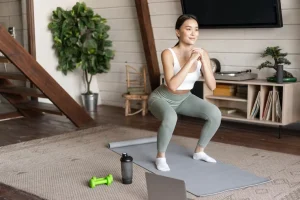
Train 3–4 times per week using compound movements such as squats, lunges, presses, and rows.
Cardio Should Support, Not Replace Strength Training
Cardio is helpful but should not be excessive.
Best options include:
- Brisk walking
- Cycling
- Swimming
- Light jogging
Low- to moderate-intensity cardio supports fat loss without stressing the body.
Use HIIT Carefully
High-intensity interval training can be effective but should be limited.
- 1–2 short sessions per week
- Focus on recovery
- Avoid daily HIIT workouts
Overuse can increase fatigue and hormonal stress.
Lifestyle Habits That Improve Fat Loss for Women
Sleep Quality Matters
Poor sleep disrupts hunger hormones and slows recovery.
- Aim for 7–9 hours of sleep
- Keep consistent sleep times
- Reduce screen exposure before bed
Sleep is often overlooked but critical for fat loss for women.
Manage Stress Daily
Chronic stress increases fat storage.
Helpful strategies include:
- Walking outdoors
- Breathing exercises
- Stretching or yoga
- Reducing unnecessary screen time
Lower stress supports hormonal balance and better results.
Stay Consistently Active
Daily movement outside workouts increases calorie expenditure.
- Walk after meals
- Use stairs
- Avoid long sitting periods
Small habits add up over time.
Common Mistakes Women Make When Trying to Lose Fat
- Eating too little for long periods
- Avoiding weights out of fear of bulk
- Doing excessive cardio
- Ignoring recovery and sleep
- Expecting rapid results
Fat loss for women works best with consistency and balance.
How Long Does Fat Loss for Women Take?
A healthy rate of fat loss is:
- 0.5 to 1 pound per week
Progress may slow during hormonal changes, but consistency leads to long-term success. Faster results often lead to muscle loss and regain.
Final Thoughts
Fat loss for women is not about punishment or restriction. It’s about supporting the body with proper nutrition, smart training, adequate recovery, and stress management.
Sustainable habits create lasting results. When the body feels supported, fat loss becomes more achievable and maintainable.
FAQs
Is fat loss harder for women than men?
Yes. Hormonal differences, lower muscle mass, and monthly cycles can make fat loss more complex for women.
Should women lift heavy weights for fat loss?
Yes. Strength training helps preserve muscle, improve metabolism, and shape the body without causing bulk.
Can women lose fat without cardio?
Yes. Fat loss for women is possible through calorie control, protein intake, and strength training. Cardio is supportive but not mandatory.
Does fat loss slow during menstruation?
Temporary water retention and fatigue can affect scale weight, but actual fat loss continues with consistent habits.
How many calories should women eat to lose fat?
Calorie needs vary by age, size, and activity level. A moderate calorie deficit is safer and more effective than extreme restriction.