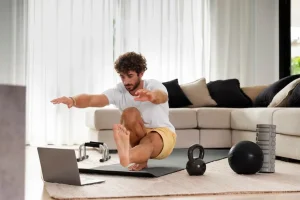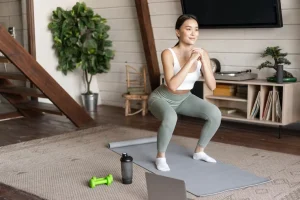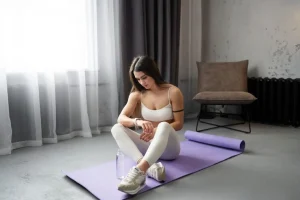

Exercise during menstrual cycle can feel challenging due to changes in energy, mood, and physical comfort. Symptoms like cramps, fatigue, and bloating often disrupt routines, making workouts feel harder during certain weeks of the month. However, staying active throughout your cycle is not only safe but can also support overall wellbeing.
The menstrual cycle typically lasts around 28 to 29 days, beginning on the first day of menstruation and ending when the next period starts. Hormonal fluctuations during this time influence strength, endurance, and recovery, which is why adjusting your workout intensity based on your cycle can be helpful.
Exercise During Menstruation
Menstruation is the phase when the uterine lining sheds, lasting anywhere from three days to a week. During this time, estrogen and progesterone levels are at their lowest, which may reduce motivation and stamina.
Despite common beliefs, exercise during menstruation can help reduce cramps and improve mood. Instead of high-intensity training, low-impact activities are usually more comfortable.
Best exercises during menstruation include:
- Walking
- Yoga and stretching
- Pilates
- Light swimming
- Gentle cycling
Listening to your body is key. Rest is acceptable if symptoms feel overwhelming.
Exercise During the Follicular Phase
The follicular phase begins on the first day of your period and continues until ovulation. As menstruation ends, estrogen levels rise, leading to improved energy, focus, and strength.
This phase is often ideal for increasing workout intensity and trying new challenges.
Best exercises during the follicular phase include:
- Strength training
- High-intensity interval training (HIIT)
- Running and cardio workouts
- Dance-based workouts
Your body responds well to progressive overload during this phase.
Exercise During Ovulation
Ovulation occurs mid-cycle and lasts for about three to five days. Estrogen peaks, which often results in maximum energy, endurance, and coordination.
This is generally the strongest phase for physical performance.
Best exercises during ovulation include:
- Heavy resistance training
- Sprinting or interval cardio
- Kickboxing or rowing
- Group fitness classes
If you experience discomfort or bloating during ovulation, scale back intensity as needed.
Exercise During the Luteal Phase
The luteal phase is the longest stage of the menstrual cycle, lasting around two weeks. Progesterone rises, which may cause fatigue, bloating, and reduced motivation, especially in the second half of this phase.
During this time, recovery becomes more important than intensity.
Best exercises during the luteal phase include:
- Moderate strength training
- Steady-state cardio
- Yoga or mobility work
- Swimming
Lower-impact workouts can help manage stress and support hormonal balance.
Tips for Creating a Menstrual Cycle Workout Plan
Tracking your cycle can help you anticipate energy changes and plan workouts accordingly. However, rigid rules aren’t necessary.
Helpful tips include:
- Prioritizing recovery and sleep
- Adjusting intensity rather than skipping workouts
- Staying hydrated
- Listening to physical and emotional cues
The goal of exercise during menstrual cycle tracking is awareness, not restriction.
FAQs: Exercise During Menstrual Cycle
Is it safe to exercise during menstruation?
Yes. Exercise during menstruation is safe and may help reduce cramps, bloating, and fatigue.
Should I stop working out during my period?
No. You can continue exercising, but lower-intensity workouts may feel more comfortable.
Which phase is best for intense workouts?
The follicular and ovulation phases are typically best for strength training and high-intensity workouts.
Why do workouts feel harder in the luteal phase?
Increased progesterone and body temperature can contribute to fatigue and reduced endurance.
Do I need to follow cycle syncing to see results?
No. Cycle syncing is optional. Consistency and listening to your body matter more than strict scheduling.