
If you want to run better, feel less stiffness, and recover faster, your routine should not start and end with just running.
Many people skip warmups and cooldowns, thinking they are optional. This often leads to tight muscles, poor performance, and higher risk of discomfort.
In this guide, I will explain how to warm up, cool down, and use stretching the right way so your runs feel smoother and more effective.
Why Warmups and Cooldowns Matter
Your body needs time to prepare for movement and return to rest after exercise.
Without a proper routine:
- Muscles stay tight at the start
- Heart rate rises too quickly
- Recovery becomes slower
- Risk of strain increases
A simple warmup and cooldown can improve how your body responds to each run.
How to Warm Up Before Running
A good warmup prepares your muscles and increases blood flow.
Follow these steps before every run.
Step 1 Start with Light Movement
Spend 5 to 10 minutes doing easy activity.
Examples:
- Brisk walking
- Slow jogging
- Light cycling
This helps loosen your muscles.
Step 2 Add Dynamic Movements
Include controlled movements that take your body through a full range of motion.
Examples:
- Walking lunges
- Jumping jacks
- Leg swings
These movements prepare your body for running.
Step 3 Begin Your Run Slowly
Start your run at an easy pace.
Gradually increase your speed as your body feels ready.
Step 4 Focus on Form
Pay attention to your posture and movement.
Keep your shoulders relaxed and your stride controlled.
Benefits of a Proper Warmup
Warming up helps your body perform better.
- Increases blood flow to muscles
- Improves flexibility
- Prepares your heart rate gradually
- Reduces early fatigue
It also helps you feel more comfortable during your run.
How to Cool Down After Running
Cooling down helps your body return to a normal state.
Step 1 Slow Your Pace
Finish your run with 5 to 10 minutes of:
- Walking
- Slow jogging
This allows your heart rate to decrease gradually.
Step 2 Rehydrate
Drink water after your run.
For longer sessions, include drinks that replace lost minerals.
Benefits of a Cooldown
Cooling down supports recovery.
- Prevents sudden drops in heart rate
- Keeps blood moving through your body
- Reduces feelings of dizziness
- Helps you transition mentally after exercise
Should You Stretch Before or After Running
Stretching is often misunderstood.
Static stretching before running is not always helpful and may not prevent injury.
A better approach:
- Use dynamic movements before running
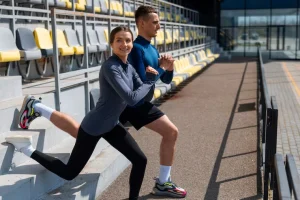
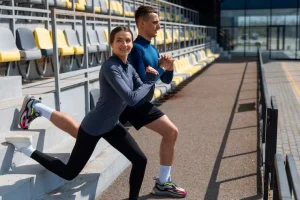
- Perform stretching after your run when muscles are warm
This makes stretching more effective and comfortable.
Post Run Stretching Guide
After your run, you can include simple stretches.
Focus on major muscle groups:
- Hamstrings
- Quadriceps
- Calves
- Hips
- Lower back
Hold each stretch for 15 to 30 seconds.
Stretching Tips for Better Results
Follow these basic rules:
- Do not bounce during stretches
- Stop before you feel pain
- Stretch both sides equally
- Breathe slowly and stay relaxed
Stretching should feel controlled, not forced.
Simple Warmup and Cooldown Routine
Here is an easy structure you can follow.
Before your run:
- 5 to 10 minutes walking or slow jogging
- 3 to 5 dynamic movements
After your run:
- 5 to 10 minutes slow walking
- Light stretching for major muscles
This routine keeps things simple and effective.
Common Mistakes to Avoid
Many runners make small mistakes that affect their progress.
Avoid these:
- Skipping warmups
- Starting runs too fast
- Stopping suddenly after running
- Stretching cold muscles
- Rushing through recovery
Consistency with small habits makes a big difference.
Frequently Asked Questions
How long should a warmup be
About 5 to 10 minutes is enough for most runners.
Is stretching before running necessary
Static stretching is not required before running. Dynamic movement is more useful.
How long should a cooldown last
At least 5 minutes, longer after intense runs.
Can I skip stretching
Yes, but light stretching after running can help reduce tightness.
What is the best warmup for running
Light cardio followed by dynamic movements works best.
Why do I feel dizzy after stopping running
Stopping suddenly can cause a quick drop in heart rate. A cooldown helps prevent this.
Ready to Improve Your Running Routine
Adding a proper warmup, cooldown, and stretching routine does not take much time, but it makes a big difference.
Keep it simple, stay consistent, and focus on how your body feels.
Over time, your runs will feel smoother, and recovery will become easier.