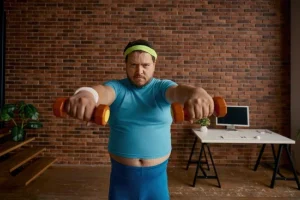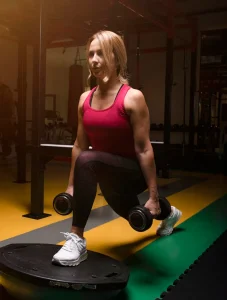
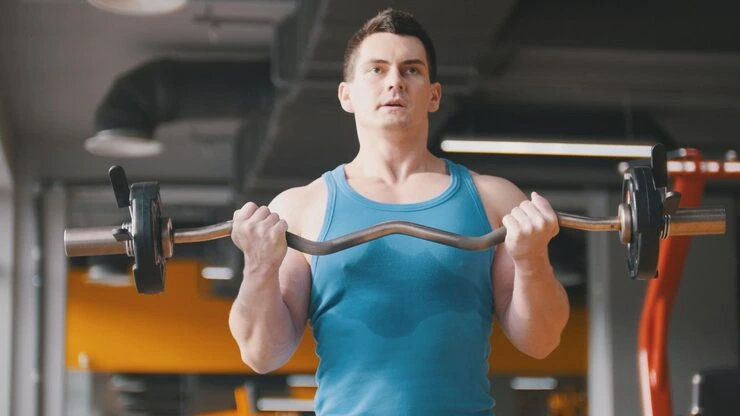
The biceps curl is one of the most effective and widely used exercises for building arm strength and muscle definition. Whether you’re just starting out or already lifting regularly, mastering this simple movement can make a noticeable difference in your upper-body development.
This exercise mainly targets the biceps—the muscles at the front of your upper arm—while also engaging supporting muscles in the forearm. Because it’s simple and versatile, it fits easily into almost any workout routine.
How to Perform Biceps Curls with Proper Form
Start by choosing a weight that challenges you but still allows you to maintain good form throughout the movement. Stand upright with your feet about shoulder-width apart and keep your core tight to support your posture.
Hold a dumbbell in each hand with your palms facing forward. Let your arms hang naturally by your sides. Keeping your upper arms still, slowly bend your elbows and lift the weights toward your shoulders. Focus on controlled movement rather than speed.
At the top of the movement, squeeze your biceps briefly, then lower the weights back down in a slow and controlled manner. Breathing is important—exhale as you lift and inhale as you lower.
Consistency is key. As your strength improves, gradually increase the weight or repetitions to continue making progress.
Benefits of Biceps Curls
Biceps curls are more than just an aesthetic exercise. They help improve overall arm strength, making everyday tasks like lifting, carrying, and pulling much easier.
Regular training also enhances muscle definition and supports better performance in other upper-body exercises. Since the movement is controlled, it helps improve muscle coordination and stability as well.
Common Mistakes to Avoid
Many people rush through curls, focusing more on lifting heavier weights than maintaining proper form. This often leads to poor results and increases the risk of injury.
Using momentum is another common mistake. Swinging your body or using your shoulders takes the tension away from the biceps, which defeats the purpose of the exercise.
Improper elbow positioning can also reduce effectiveness. Your elbows should stay close to your body throughout the movement. If they move too much, it usually means the weight is too heavy.
Maintaining a stable posture and controlled movement will give you far better results than lifting heavier weights with poor form.
Variations to Make Your Training More Effective
To keep your workouts interesting and target your muscles from different angles, you can try several variations of biceps curls.
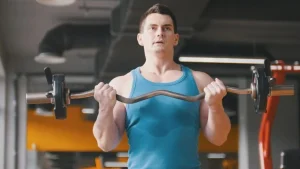
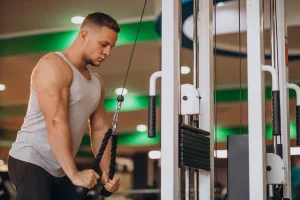
Using a barbell allows you to lift heavier weights and build overall strength. Hammer curls shift the focus slightly to the forearms, helping create thicker arms. Cable curls provide constant tension, which can improve muscle engagement.
Resistance bands and machines can also be useful, especially for beginners or those recovering from injury.
Safety Tips for Better Results
Start with lighter weights until you feel confident with the movement. Avoid pushing through pain, as this can lead to injuries in the elbow or wrist.
Focus on slow, controlled repetitions rather than rushing. Give your muscles time to recover between sets, and don’t try to lift more weight than you can handle properly.
Progress takes time, but proper technique will always deliver better long-term results than shortcuts.