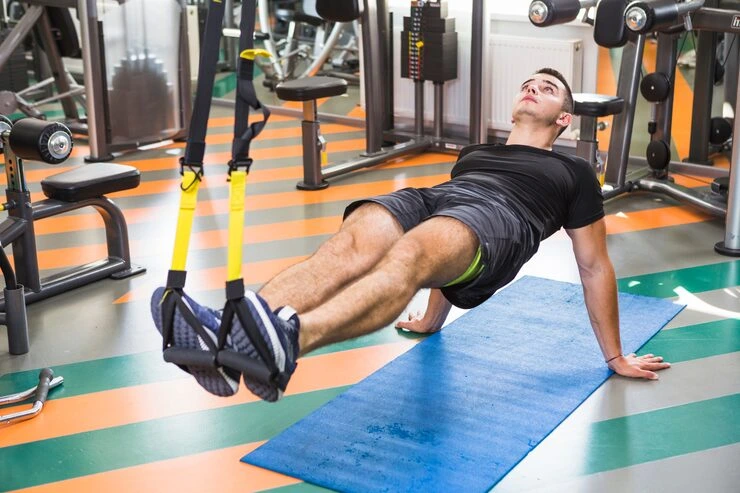
Hanging leg raises are one of the most effective exercises for building a strong, defined core. Unlike basic ab workouts, this movement challenges your entire midsection while also improving grip strength, stability, and body control.
This exercise primarily targets the lower abs and hip flexors, but it also engages your shoulders, arms, and upper body to keep you stable. Because of this, it’s not just a core exercise—it’s a full-body challenge that delivers real results when done correctly.
Why Hanging Leg Raises Are So Effective
Many traditional ab exercises focus on crunching movements, which mainly work the upper abs. Hanging leg raises take a different approach by targeting the lower portion of your core, an area that is often harder to develop.
They also force your body to stabilize itself while hanging, which increases muscle activation and builds functional strength. This makes them especially useful for athletes and anyone looking to improve overall performance.
Step-by-Step Guide to Proper Form
Start by grabbing a strong pull-up bar with an overhand grip. Your hands should be firm, and your body should hang freely without touching the ground.
Before lifting your legs, engage your core and avoid letting your body swing. Slowly raise your legs in front of you while keeping them straight. The movement should be controlled and steady, not rushed.
Aim to lift your legs until they reach about hip level or higher if your strength allows. Pause briefly at the top to maximize muscle engagement.
Lower your legs slowly back to the starting position while maintaining control. Avoid dropping them quickly, as this reduces effectiveness and increases the risk of injury.
Your breathing should stay controlled throughout the movement. Exhale while lifting your legs and inhale as you lower them.
Muscles Worked During Hanging Leg Raises
This exercise targets multiple muscle groups at the same time, making it highly efficient.
The abdominal muscles work to lift and control your legs. The hip flexors assist in raising your legs upward. Your grip and forearms stay active to hold your body weight, while your shoulders help stabilize your upper body.
Because of this combination, hanging leg raises are one of the best exercises for total core development.
Best Variations to Progress Faster
If you’re a beginner, start with bent-knee raises. This reduces the difficulty while still activating your core.
As you gain strength, you can move to straight-leg raises for greater intensity. From there, you can challenge yourself further by lifting your legs higher or adding resistance.
Advanced lifters can try holding a dumbbell between their feet or performing slow, controlled reps to increase time under tension.
Each variation helps you progress while keeping your workouts challenging and effective.
Common Mistakes That Slow Your Progress
One of the biggest mistakes is using momentum instead of muscle control. Swinging your legs may feel easier, but it reduces the effectiveness of the exercise.
Another issue is not engaging the core properly. If your abs are not activated, other muscles take over, and you miss the full benefit.
Letting your legs drop too quickly is also a problem. The lowering phase is just as important as lifting, so controlling the movement is key.
Poor grip and shoulder positioning can also lead to instability. Keeping your shoulders steady and your grip firm will help maintain proper form.
Tips to Get Better Results Faster
Focus on quality over quantity. A few controlled repetitions are more effective than many sloppy ones.
Train consistently and gradually increase your reps as your strength improves. You don’t need to rush progress—steady improvement leads to better long-term results.
Combine this exercise with other core movements for balanced development. Proper nutrition and recovery also play a major role in seeing visible results.
Frequently Asked Questions
Are hanging leg raises good for beginners?
They can be challenging for beginners, but starting with bent-knee raises or supported variations makes them more manageable. As your strength improves, you can progress to the full movement.
Do hanging leg raises build six-pack abs?
Yes, they help strengthen and define your abdominal muscles, especially the lower abs. However, visible abs also depend on body fat levels and overall diet.
How many reps should I do?
Start with as many controlled reps as you can manage with good form. Over time, aim to increase your total reps as your strength improves.
Why do I feel it more in my hips than my abs?
This usually means your hip flexors are doing most of the work. Focus on engaging your core before lifting your legs and slow down the movement.
Can I do hanging leg raises every day?
It’s better to allow your muscles time to recover. Training your core two to four times per week is usually enough for good results.
What if I can’t keep my legs straight?
You can bend your knees to make the exercise easier. This still targets your core effectively while reducing strain.
Are hanging leg raises better than crunches?
They target the core differently. Hanging leg raises focus more on the lower abs and require greater overall control, making them more advanced and effective for full core development.